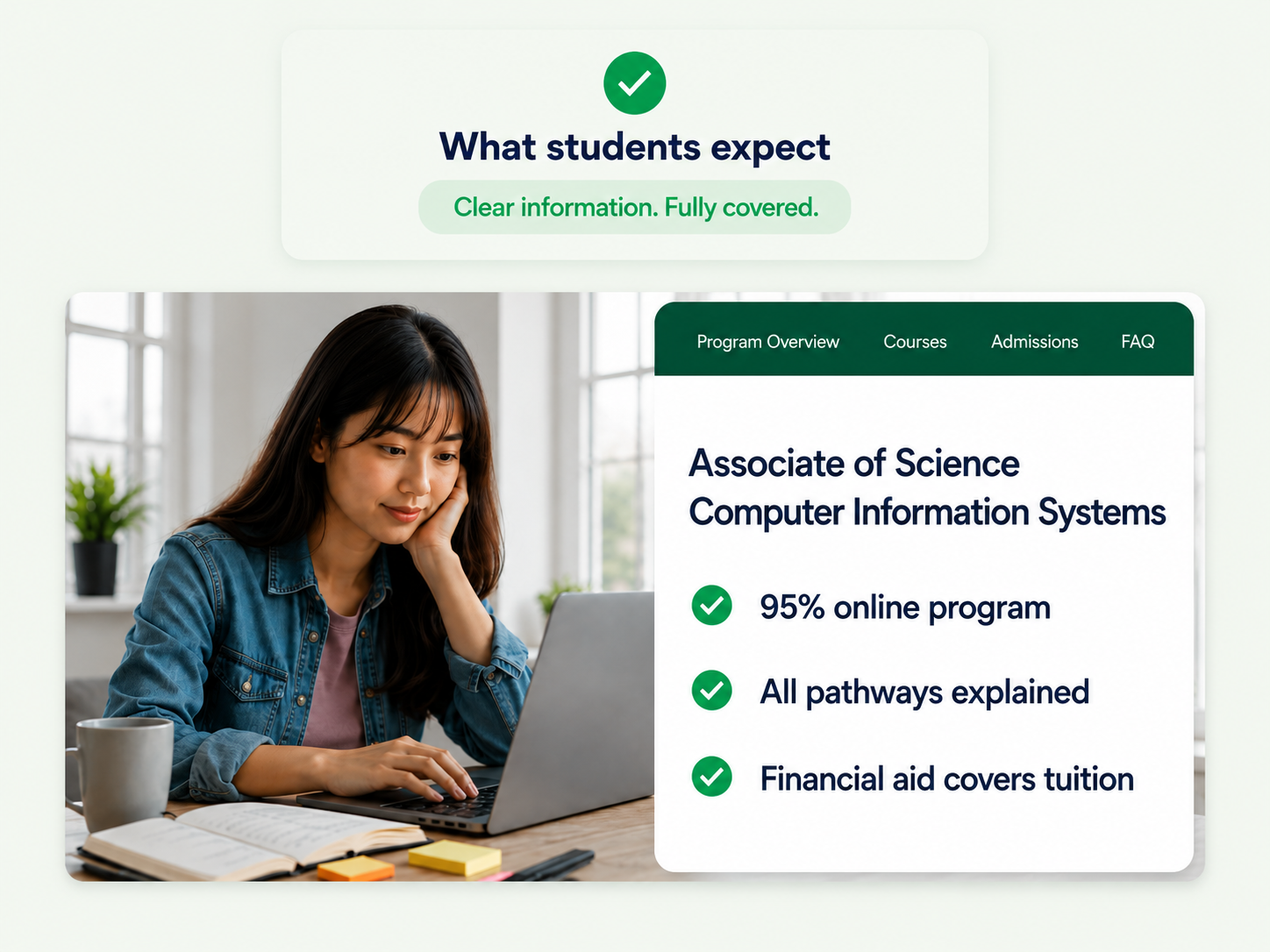
 Cost
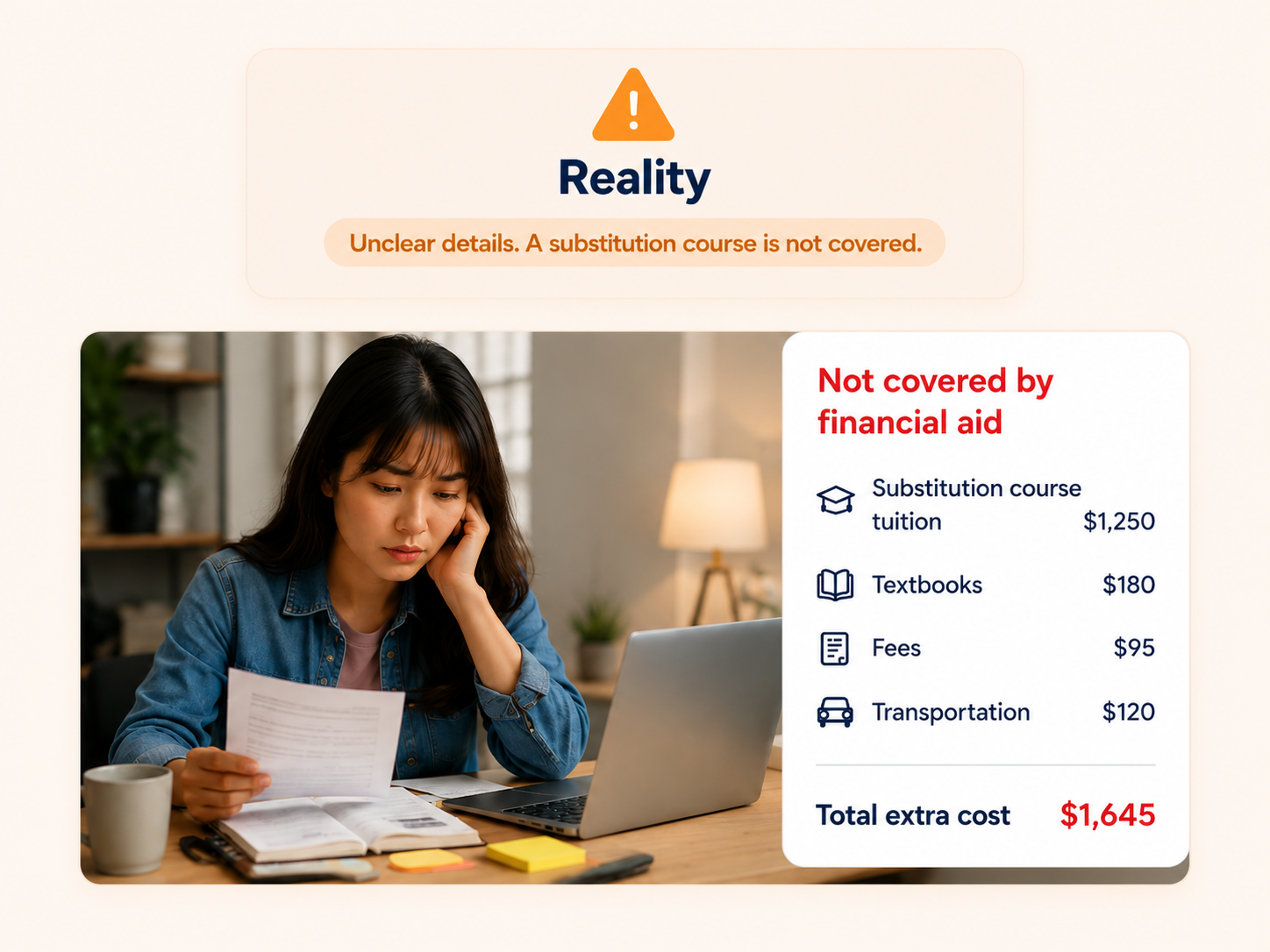
Cost Hidden travel expenses
Financial aid gaps
Uncovered substitute courses
What first-generation students and remote
adult learners should know before enrolling.

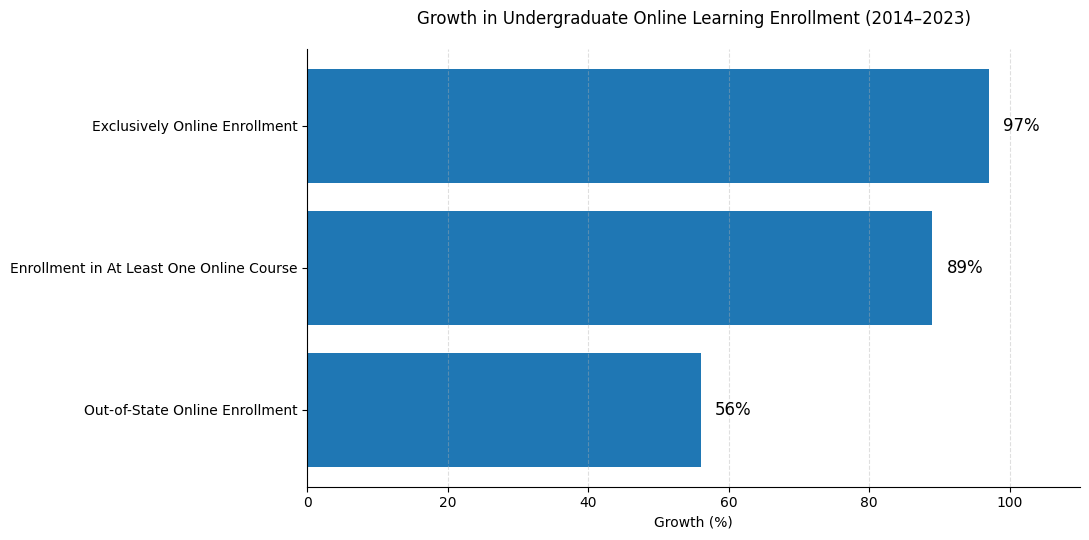
Sources: NCES/IPEDS, cited in the EducationDynamics 2025
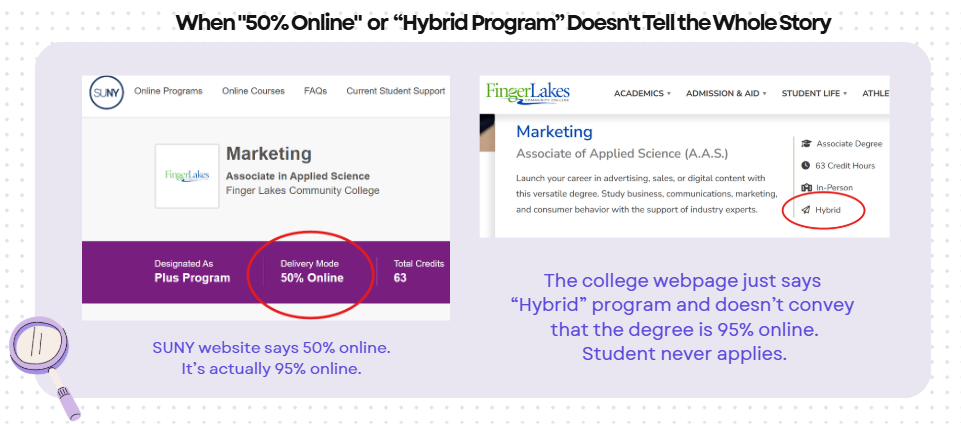
Out of 427 online associate programs in SUNY...
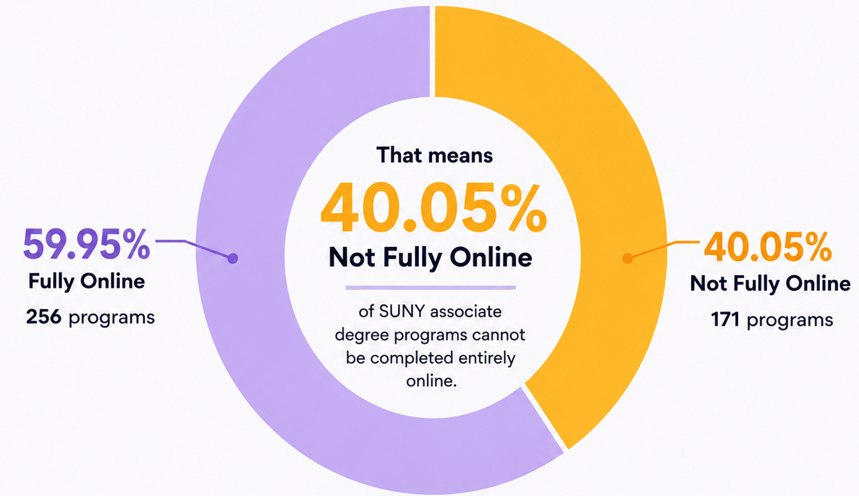
Sources: SUNY Online (2026)
Hidden travel expenses
Financial aid gaps
Uncovered substitute courses
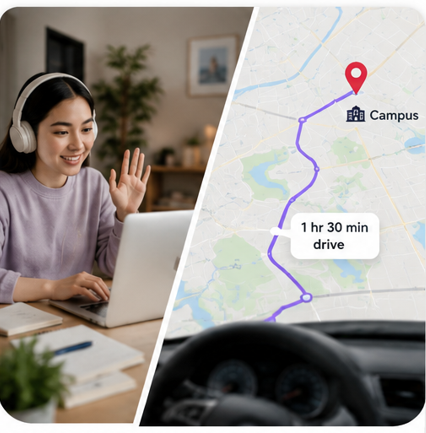
Work and family commitments
Travel and scheduling challenges
One in-person course can disrupt an online degree

Higher completion rates
Career-ready pathways
Better career opportunities
Sources: Education Dynamics (2025), Greg, C. (2026)
Some college networks allow students to take required courses at another institution when a course is unavailable. However, those substitute courses may not be covered by financial aid, creating unexpected out-of-pocket costs — a hidden expense many students never see coming. Look for the percentage of online courses, required in-person classes, total costs, and graduation pathways before enrolling. Ask whether substitutions, transfer credits, independent study, or equivalent online courses are available. Some programs will always require in-person coursework. Knowing these requirements early helps students make informed decisions and avoid unexpected barriers. As part of an independent study, I collaborated with a professor to refine a pilot online course through weekly testing and feedback before it was offered to other students. The experience taught me that innovation in education doesn't always come from administrators or technology—it can also come from students. —Michelle When institutions and students work together, online learning becomes stronger, more flexible, and more accessible for everyone.
Did You Know?
Before You Enroll, Ask These Questions
The Solutions
Check for Transparency
Ask About Alternatives
Plan Ahead
Students Are Part of the Solution

Online education should work for everyone.
References
 Convenience
 Career